CentreLSD Monitoring, Evaluation & Learning
Turning evidence into impact—and impact into sustainable change.
We transform programme data into practical intelligence that strengthens accountability, improves decisions and keeps development interventions responsive to the people they serve.
Our strategic role
Making every intervention measurable, accountable and responsive
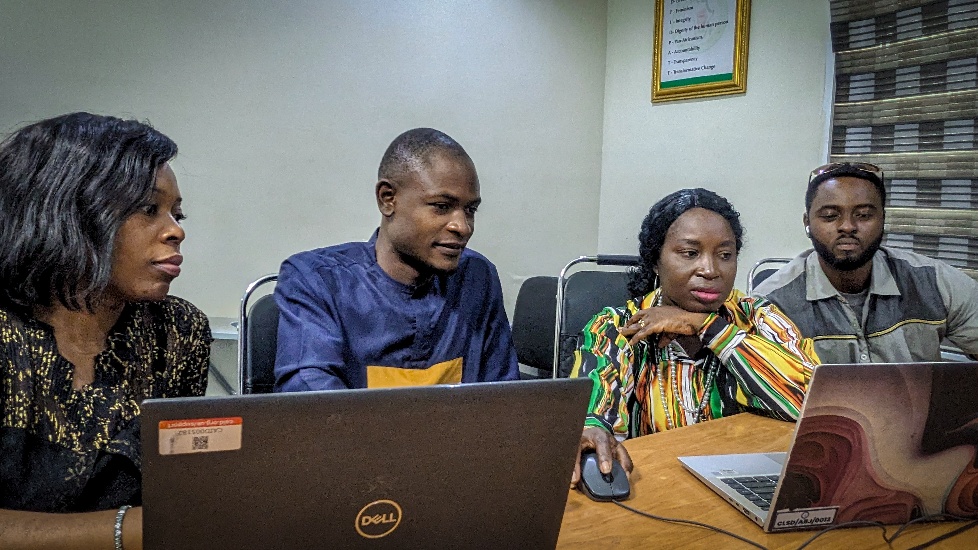
At the African Centre for Leadership, Strategy & Development (CentreLSD), Monitoring, Evaluation and Learning is not an afterthought. It is embedded throughout the project lifecycle—from design and baseline assessment to implementation, reflection, adaptation, reporting and sustainability planning.
The MEL Directorate is CentreLSD's institutional hub for tracking progress, generating evidence, identifying gaps and turning learning into stronger programmes. Project officers collect and validate field data; programme teams interpret findings and adapt delivery; and leadership uses MEL evidence to guide strategic decisions.
What we do
Evidence systems that support better programmes
Frameworks and assessments
We design MEL frameworks and conduct baseline, midline and endline studies that establish clear measures of progress.
Monitoring and data quality
We track programme performance through field monitoring, spot checks, data verification and quality assurance.
Learning and adaptation
We facilitate reflection sessions, outcome harvesting and learning reviews so teams can respond to emerging evidence.
Reporting and accountability
We align evidence systems with donor requirements and produce accurate reports, learning briefs and impact products.
Digital dashboards
We manage secure data platforms and visual dashboards that make indicators, reach and implementation progress visible.
Capacity strengthening
We equip staff and partners with practical skills in data collection, evaluation, safeguarding and adaptive programming.
Evidence before action
How baseline evidence sharpened the Side-by-Side Project
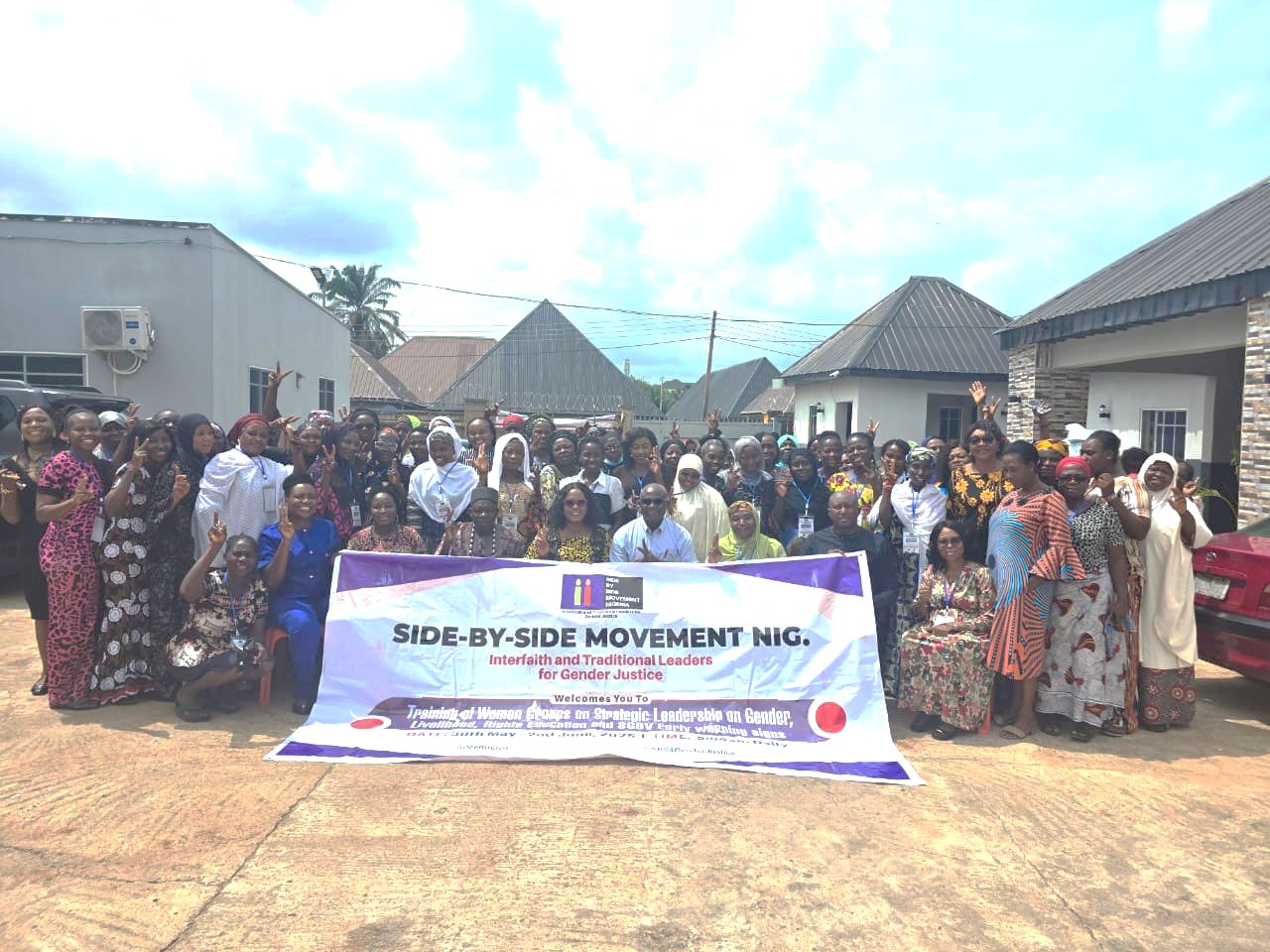
A 2023 baseline, informed by the Womanity Index, identified serious concerns relating to women's rights, protection and gender equality in Kano and Benue States. The evidence shaped advocacy priorities, community engagement and project delivery in both states.
These results, supplied by CentreLSD, demonstrate how evidence-led design and coordinated stakeholder action can reduce barriers and strengthen gender-equality outcomes.
Our approach
Participatory, adaptive and gender-sensitive
We combine quantitative and qualitative evidence to understand not only what changed, but how, why and for whom.
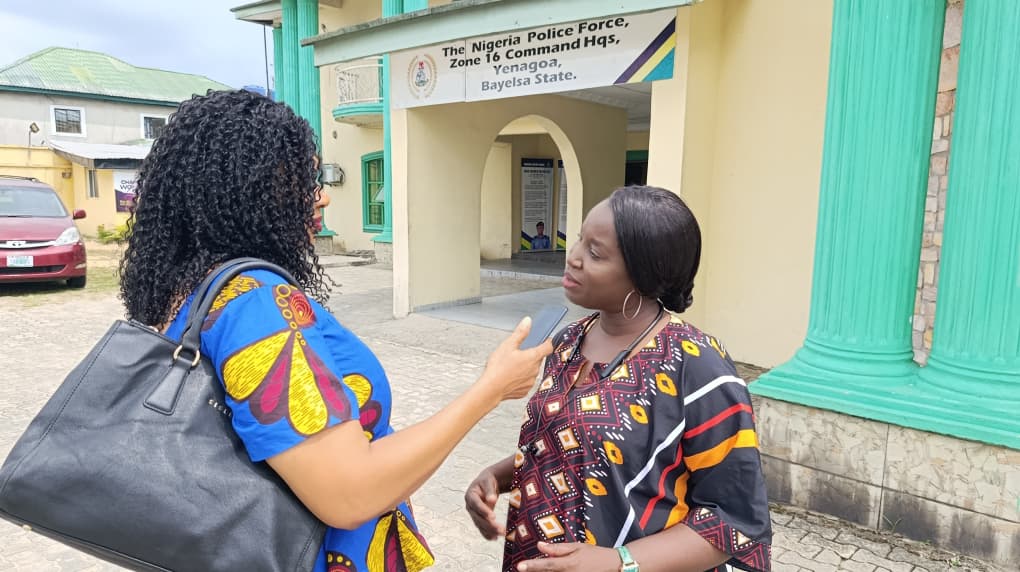
Research and learning
Listening carefully. Measuring credibly. Learning continuously.
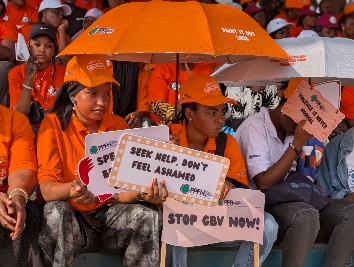
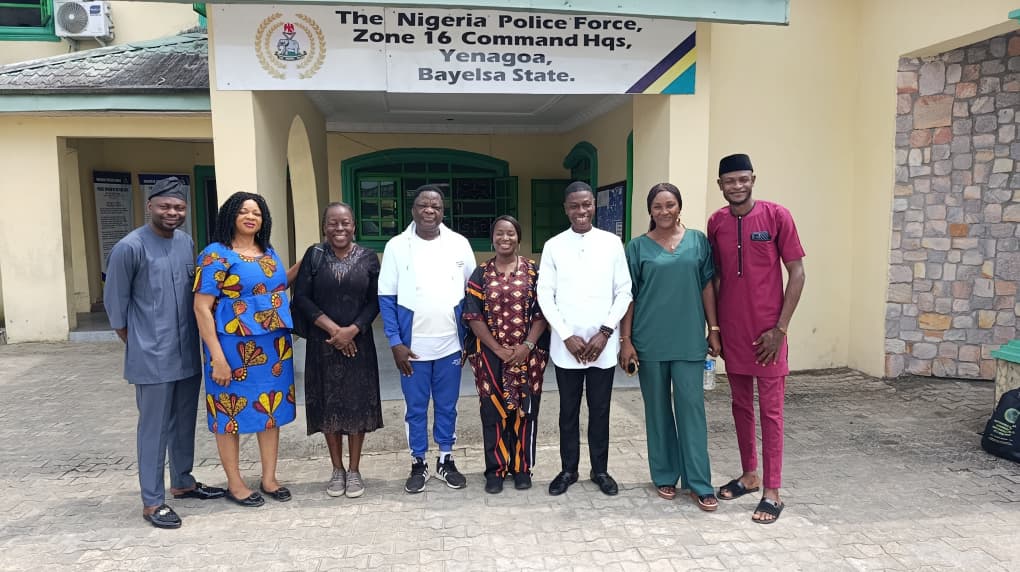
Our mixed-method research captures community realities, measures outcomes and helps programme teams identify trends early.
- Desk reviews and stakeholder mapping
- Key informant and in-depth interviews
- Focus group discussions and community consultations
- Baseline, midline and endline surveys
- Observation, case studies and storytelling
- Participatory reflection and data-validation exercises

Digital systems
From field data to decision-ready insight
Our technology-enabled systems improve data quality, efficiency, accountability and real-time reporting. Tools include KoboCollect and XLSForm, ODK Collect, Power BI, SPSS, Tableau, Excel Analytics, SurveyPlanet and Google Workspace.
Access controls, strong passwords, routine backups and secure cloud storage help protect sensitive beneficiary and project information in line with donor requirements and applicable national regulations.
“We do not just count the outcomes; we make them count for sustainable impact.”
Ms. Victoria Udoh
Director, Monitoring, Evaluation and Learning
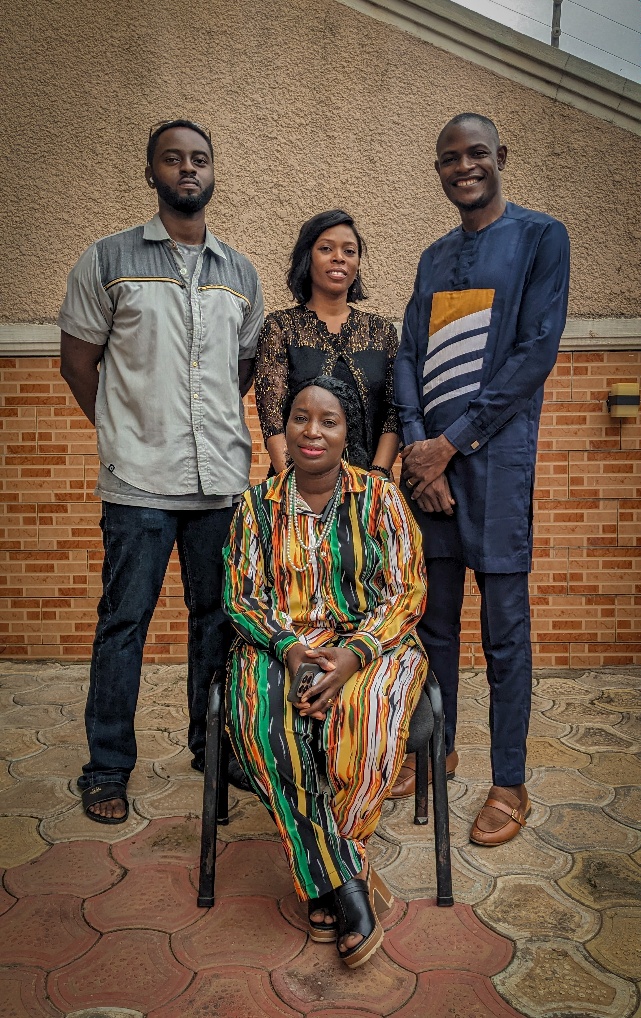
Work with CentreLSD
Build stronger programmes through evidence and learning.
Partner with our MEL Directorate on assessments, monitoring systems, research, learning, capacity strengthening and impact reporting.